What A Netflix Disaster Film Tells Sri Lankan Homeowners And Investors
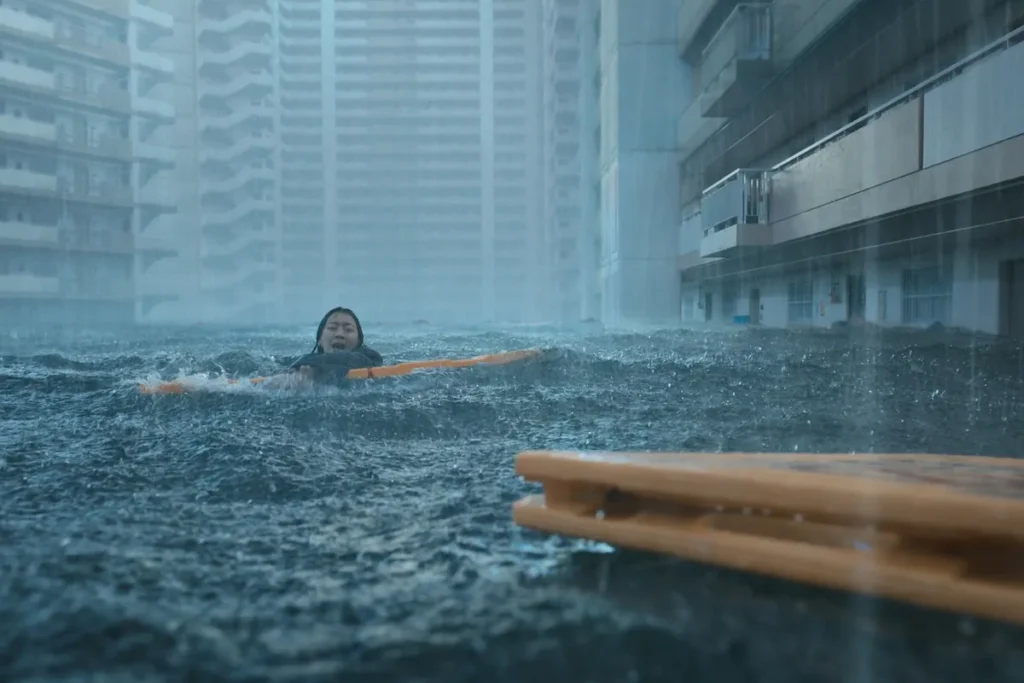
Are We Ready For The Great Flood? image credit – https://www.netflix.com/tudum/articles/the-great-flood-release-date-news
Sri Lanka is already living with the kind of water the movie dramatizes; the difference is that our decisions about land, design and construction still assume yesterday’s climate, not tomorrow’s.
1. Why The Great Flood Hits A Nerve
The film drops us into a near‑future city where relentless rain turns high‑rises into vertical traps, basements into reservoirs, and lift shafts into water channels. It is science fiction, but the failures are painfully familiar. The flooded corridors, powerless towers and panicked evacuations could easily be Colombo, Gampaha or any river city built on paved floodplains and clogged canals.ibtimes+2
The movie’s apartment block is an uncomfortable mirror for our own projects: services stacked in basements, no safe vertical evacuation routes, no redundancy in power or water systems, and no real plan for what happens when the ground floor disappears for a day, a week or a season.indiatoday+1
2. Climate, Floods And Where Not To Buy Land
For Excello’s clients – suburban Colombo families, diaspora building back home, and investors in villas and slow communities – the first decision is not façade or finishes. It is where the land sits and what the water wants to do there.
Low‑lying floodplains next to major rivers and canals (Kelani, Kalu, Gin, Mahaweli, Batticaloa lagoons), which already experience repeated, climate‑driven flooding.theconversation+2
Reclaimed wetlands and marshes around Colombo and secondary cities, where natural water storage has been replaced by fill and concrete, amplifying flood depth.ciobwcs+1
Steep, saturated slopes with visible soil movement, leaning trees and cracking ground, which shift from flood risk to landslide risk once rain intensifies.
If you must buy in a risky zone
Sometimes the emotional pull of ancestral land or the commercial logic of a riverfront plot is stronger than the map. When relocation is impossible or undesirable:
Demand an honest risk reading: recent flood heights, historic events, local experience, and official hazard maps, not just the seller’s assurances.variety+1
Treat planning permission and engineering reports as non‑negotiable; rushing to build without soil, drainage and structural checks is one of the top reasons Sri Lankan homes fail in floods.
3. Designing When You Can’t Avoid The Water
If the land is imperfect but immovable – ancestral plots in the North and East, river‑adjacent sites near Colombo, coastal land for villas – the work shifts from avoidance to adaptation.
House‑ and apartment‑level strategies
Lift the living: raise plinths above known flood levels, push primary living spaces to higher floors, and use the most exposed levels as sacrificial or quickly recoverable zones (parking, storage, services designed to flood safely).ips
Rethink basements and ground floors: no critical electrical rooms or generators below safe flood height; treat shafts, ducts and stair cores the way The Great Flood teaches us – as potential water paths that must be compartmentalised and protected.asiae+2
Build to recover, not to resist perfectly: water‑resistant finishes, ventilated cavities, and details that allow cleaning and drying reduce the time between inundation and safe re‑occupation.unhabitat+1
Site and landscape as your first line of defence
Shape the land so water has somewhere to go – swales, retention ponds, permeable courtyards, stepped levels – instead of sending every drop towards your threshold.worldweatherattribution+1
In larger compounds, treat green space as infrastructure: wetlands, planted buffers and open grounds can hold or slow water the way progressive “living with water” cities already do.nexafeed+1
4. What Investors Should Read Between The Lines Of The Film
For investors in apartments, villas and wellness communities, The Great Flood functions almost like a stress test.
For apartment and mixed‑use projects
Question any scheme that still hides essential services, parking and escape routes in deep basements with no protected, independent vertical cores. In a true extreme‑rain event, the basement is the first to go and the last to dry.indiatoday+1
Ask for climate scenarios, not just today’s code minimums; design standards that rely only on historic rainfall are already out of date for Sri Lankan cities facing more intense multi‑day events.theconversation+2
For villas, retreats and “slow communities”
The most valuable future asset is not a view; it is a site and layout that can operate safely under stress – access during floods, emergency power and water, shaded, naturally ventilated spaces that can shelter guests and neighbours if systems fail.news.mongabay+1
Eco‑luxury will be measured in resilience as much as carbon: low‑impact materials, passive cooling, smart water management and communities designed around wellness rather than quick speculation.ips+1
5. Planning For The Future Excello Audience
Excello’s content strategy positions you as a quiet, trusted custodian of heritage and calm, not a loud seller of square footage. A flood‑centred article built on a trending film becomes part of that long narrative:
For diaspora, it is about bringing parents and children home to a house that will still be standing, and liveable, when the next cyclone hits.
For suburban Colombo families, it is about carving out a sanctuary minutes from the city that stays serene when the streets outside turn to rivers.
For wellness and villa investors, it is about backing communities of calm in coastal belts, misty mountains and river valleys that are designed, from day one, to live with water rather than fear it.Content-Plan-2025-December-_-2026-Jan-1.xlsx
The question The Great Flood leaves us with is not whether such an event could happen, but whether we want to keep building as if it never will.